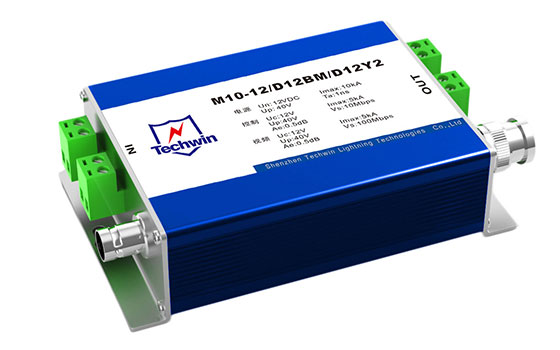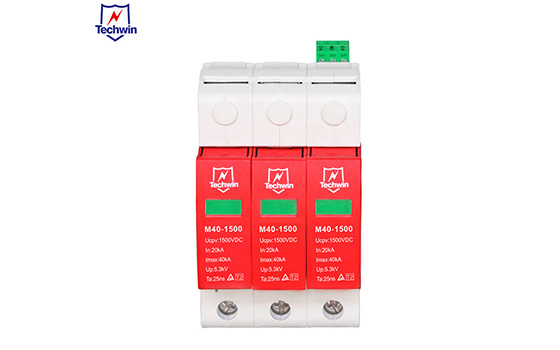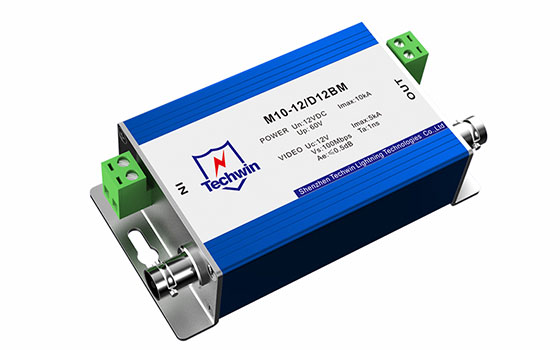

SPD stands for Surge Protective Device, which is a device that is designed to protect electrical and electronic equipment from voltage surges and transients. Here is a brief explanation of how SPDs work:
SPDs are installed in parallel with the equipment they are designed to protect. This means that they are connected between the power supply and the equipment, and they divert excess voltage to ground.
SPDs typically use one or more metal oxide varistors (MOVs) to absorb excess voltage. MOVs are semiconductors that have a variable resistance depending on the voltage applied to them. When voltage spikes occur, the MOVs become conductive and divert the excess voltage to ground, thus protecting the equipment.
In addition to MOVs, SPDs may also include other components such as gas discharge tubes, capacitors, and inductors to provide additional protection against different types of surges and transients. SPD breakers come equipped with these various components to offer optimal safety and protection, catering to the specific needs of various electrical systems and appliances.
SPDs must be properly sized and rated for the equipment they are protecting. This includes consideration of the voltage and current ratings of the SPD, as well as the maximum surge current that it can handle.
It is essential to have a reliable SPD brand installed. SPDs should be installed by a qualified electrician and should be regularly inspected and tested to ensure that they are functioning properly. By choosing a reliable SPD brand and adopting a preventative approach through regular inspection and maintenance, it is possible to safeguard the integrity of electrical systems and minimize the risks of electrical surges or failures.
Overall, SPDs provide an important layer of protection against voltage surges and transients that can cause damage to electrical and electronic equipment. By diverting excess voltage to ground, SPDs can help extend the lifespan of equipment and reduce the risk of downtime and costly repairs.
 Features of A Good Surge Protection DeviceAugust 30, 2021Ⅰ. Features of a good surge protectorAs the name shows, the surge protector can prevent a sudden increase in voltage loss equipment. A low-end type of surge protector is definitely not a power strip ...viewHow to Determine Which Type of Surge Protector to Use for Distribution Box?March 13, 20231、Understanding of Network Surge ProtectorsA surge protector, also known as a lightning arrester, is an electronic device that provides safety protection for various electronic devices, instruments, ...viewBeyond the Basics: Advanced Features in Surge Protectors for Tech EnthusiastsJanuary 5, 2024Unleashing the Power of ProtectionFor tech enthusiasts who revel in the intricacies of their electronic ecosystems, surge protection extends beyond mere safety—it becomes an art, a science, and an in...viewThe Difference of Voltage Switching SPD and Voltage Limiting SPDFebruary 17, 2023Voltage switching SPDs are designed to switch between two states, an "off" state and an "on" state, based on the voltage level. When the voltage level is below a certain threshold,...viewDifference Between Surge Protector and Backup ProtectorApril 26, 2022The special protection device for low-voltage surge protector (SSD) is an external disengagement device of the surge protector used in the low-voltage power supply system, which can withstand the expe...viewPower Surge Monitoring Device: Intelligent Monitoring and Power ProtectionOctober 9, 2024In modern life, electricity has become the cornerstone of our daily life and work. However, with the increasing complexity of the power network and the presence of unforeseen factors such as lightning...view
 EN
EN
 jp
jp  ko
ko  fr
fr  de
de  es
es  it
it  ru
ru  pt
pt  ar
ar  vi
vi  th
th  ro
ro  bg
bg  nl
nl